Market · January 2026
When a fleet should consider DC fast
DC fast charging is expensive to install and expensive to operate, and it solves one specific problem: returning a vehicle to service inside a short window. A depot that charges overnight rarely needs it. A depot that must turn a vehicle around between shifts often does. The difference is duty cycle, and it should be measured rather than assumed.
The question is usually framed as a hardware choice — AC or DC. It is better framed as a scheduling question. How long is each vehicle parked, how much energy does it need before it leaves, and how many vehicles need the same stall in a day? The answers decide the equipment, not the other way around.
Duty cycle is the whole argument
Every vehicle in a depot has a pattern: arrival time, departure time, energy used per shift, and whether the same vehicle goes out again the same day. AC charging spreads the energy demand across the hours the vehicle is parked. DC fast compresses that demand into minutes.
If the vehicles sit for a full overnight period, AC does the job with simpler equipment and a gentler demand profile. If a vehicle must be turned around between two shifts, the compressed window is the reason to pay for DC. Write the pattern down before choosing anything; a fleet manager’s impression of “we need fast charging” often softens once the actual dwell times are listed.
What DC fast asks of the site
A DC fast installation is a power project before it is a charger project. The site needs capacity for the charger’s demand, and the utility may need to review or reinforce the connection before it can be energised. Demand charges can dominate the operating cost if sessions cluster into the same billing interval.
The review therefore starts with the service and the utility conversation, not with the unit. Available capacity at your site is To be supplied until a site review and a utility discussion are complete, and the installed cost of a DC position depends on that service work as much as on the equipment.
When AC is enough
Overnight depot charging covers most return-to-base fleets, including light vans and sedans with predictable daily distances. It also costs less to install per vehicle and avoids a demand peak that can trigger charges out of proportion to the energy delivered.
The planning question is whether the overnight window is long enough for the daily energy need with the chargers the site can afford to install. If it is, DC fast is an answer to a problem the depot does not have. That is not a criticism of DC; it is a statement about where the money works hardest. The commercial AC range covers the overnight case.
A hybrid pattern that works
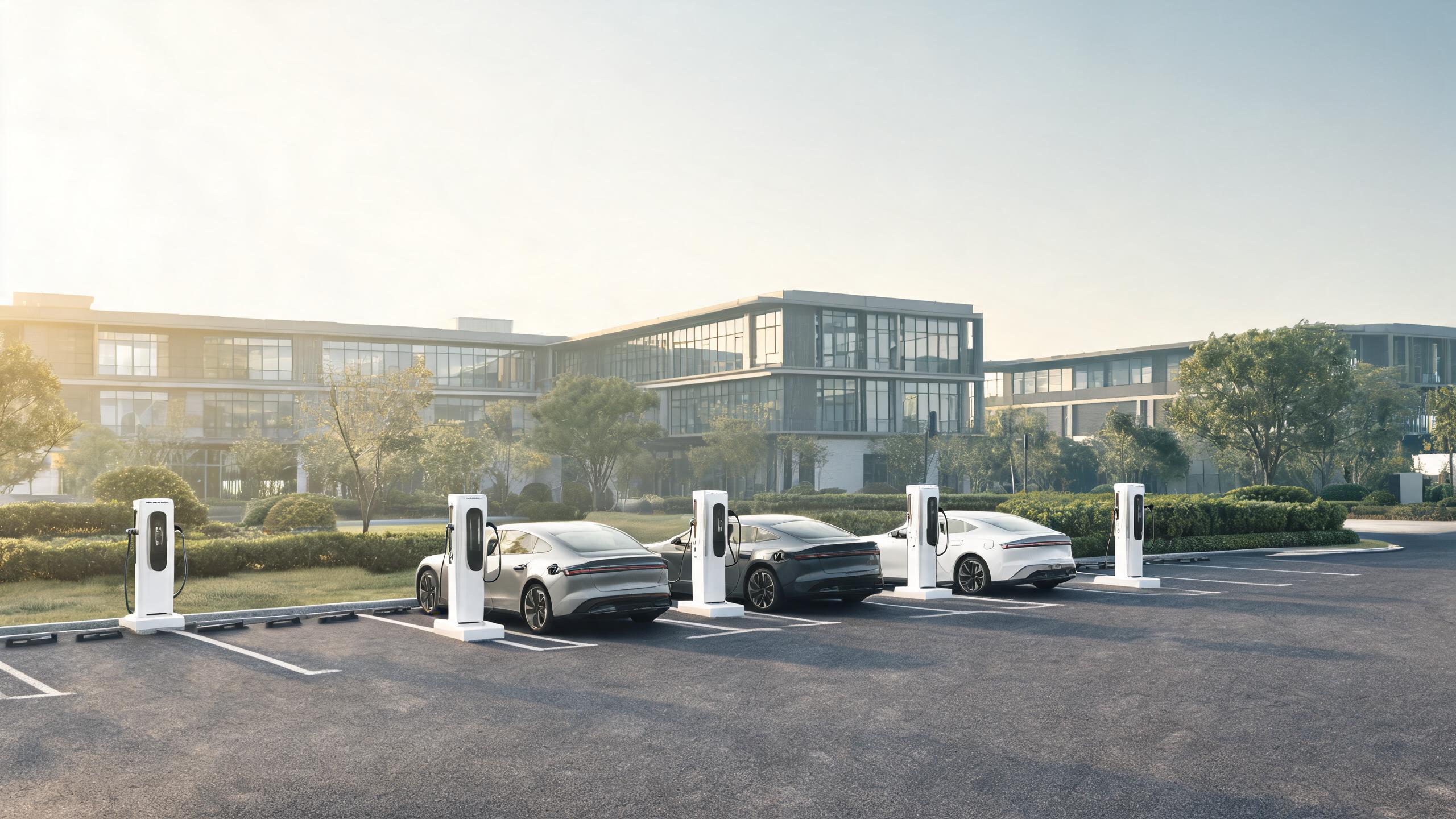
Many depots end up with both: AC for the bulk of the fleet, DC for the small number of vehicles that must return to service quickly, or for a shared top-up position any vehicle can use before a long run. That pattern keeps the DC unit busy enough to justify its cost and keeps the site’s peak demand manageable.
It also gives the depot a fallback when a vehicle arrives late with a low state of charge and the overnight schedule is already committed. One DC position can absorb that exception without changing the whole site design. The DC fast range describes the equipment side; the fleet overview on our solutions page covers depot planning.
What to bring to the conversation
Bring the fleet list, the daily distance and energy estimate, the arrival and departure windows, the service capacity on site, and the number of vehicles that genuinely cannot wait. With those five inputs we can say whether AC, DC or a mix is the right starting point.
Without them, any answer is a product pitch. The value of the conversation comes from the constraints, not from the catalogue.
DC fast is a turnaround tool. If nothing in your fleet has a tight turnaround, the money belongs in overnight AC.
Scope the depot first
DC fast decisions follow the duty cycle and the service capacity. Bring the vehicle schedule and the site’s available power to the conversation.
This note is editorial. Site capacity, utility requirements and installed cost are confirmed after a site review.
Related notes
More from the floor.

Service capacity, breaker space, cable route and permits — the inputs that decide whether a quote is real.
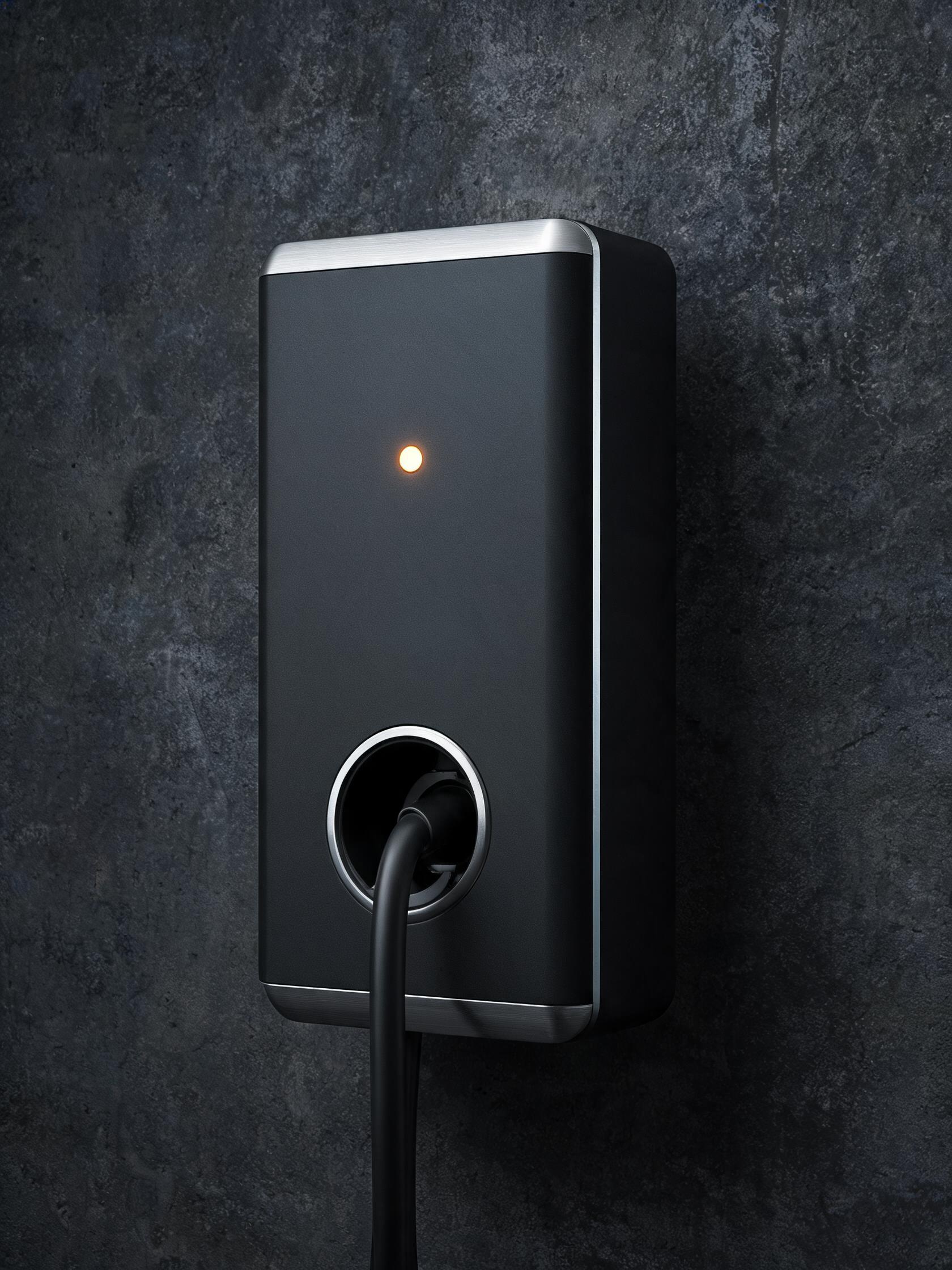
The panel and the overnight window decide the amperage long before the brochure does.
Warranty claims, firmware questions and installer callbacks: who answers, and what happens next.
Next step
Planning depot charging?
Send the duty cycle, the vehicle count and the site’s available power. We will confirm whether the starting point is AC, DC or a combination.

Canadian EV charging for homes, buildings and fleets — certified hardware, documented quality, and support that stays local.
© 2026 Novus Volt Inc. · Toronto, Ontario